
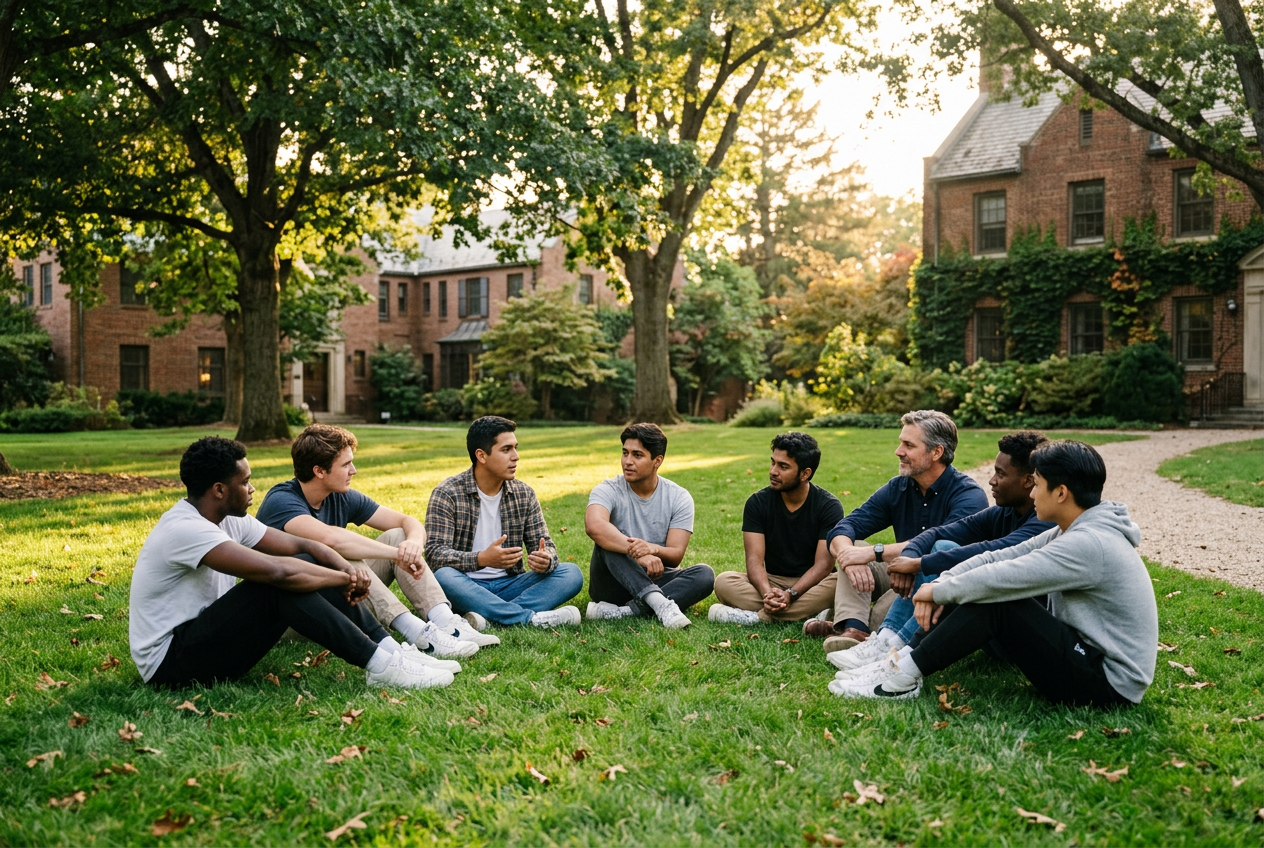
Faith-based residential programs create lasting change in young men by replacing harmful environments with total daily structure, personal mentorship, and spiritual purpose. Removing external triggers allows troubled youths to develop true accountability while learning core vocational and life skills. This combination addresses root emotional causes rather than just masking surface behaviors.
What Drives Lasting Transformation in Struggling Young Men?
Troubled young men find true transformation when care addresses spiritual void alongside emotional and behavioral needs. Temporary fixes often address external misbehavior while ignoring deep internal hurts that cause rebellion.
Surrounding a struggling boy with positive role models breaks harmful habits faster than simple discipline alone. Young men naturally copy the behaviors of the people they spend time with each day. When staff members show strong moral character and genuine care, residents learn to respect authority figures again.
Physical distance from home, and negative triggers, gives adolescents space to clear their heads. Old habits die hard when a teen stays in the exact environment where bad choices began. Moving to a dedicated residential center stops the immediate cycle of conflict with parents and peers.
Spiritual development gives young men a permanent foundation that outlasts their stay in a residential facility. Learning higher moral values changes how a boy views his future goals and daily personal choices. He stops seeing life as a series of random events and starts seeing personal worth.
How Does Total Daily Structure Heal Behavioral Issues?
Daily structure fixes behavioral issues by establishing consistent schedules that teach self-discipline and accountability. Unstructured time often leads struggling teenagers directly into risky behavior or self-destructive habits.
Rising early for morning chores teaches immediate responsibility before the workday even starts. Repeating these daily routines helps young men realize that small tasks matter. Completing daily work builds real confidence that no classroom lecture can ever match.
Academic instruction paired with physical labor keeps minds active and bodies healthy throughout the day. Physical exertion releases built-up anger in a constructive, natural way without harmful consequences. Sitting idle all day allows negative thoughts to fester inside an anxious adolescent mind.
Consistent rules remove the constant household arguments that exhaust parents at home. Every resident follows identical rules and receives predictable outcomes for every choice made. This clarity brings incredible relief to young men who secretly crave firm boundaries.
Why Is Environmental Separation Necessary for True Recovery?
Removing a young man from his regular environment breaks the cycle of negative peer pressure and dangerous local influences. Old social circles continuously pull struggling boys back into bad habits despite their best intentions to change.
Modern smartphones and endless social media feeds flood young minds with constant negative messages. Taking a break from digital devices stops the non-stop comparison and anxiety that drives modern adolescent rebellion. Residents focus fully on real-world relationships instead of online drama.
Home environments often become constant conflict zones where parents and teens stay trapped in defensive communication patterns. Stepping away lets both parents and sons heal from months or years of intense emotional strain. Distance helps families appreciate one another again after long seasons of heavy home conflict.
New surroundings create a fresh physical slate where past mistakes do not define a boy’s daily identity. Peers at a dedicated program do not view him through the lens of his past record or bad reputation. He gets a genuine chance to start over without carrying old social baggage.
What Role Does Authentic Mentorship Play in Youth Renewal?

Authentic mentorship changes lives because young men learn personal responsibility by watching trustworthy adult men model it daily. Lectures rarely change a rebellious heart, but consistent real-life examples change everything.
Staff members who live and work alongside residents build deep trust through shared daily experiences. Working together on campus tasks or building projects creates natural moments for deep conversations. A young man opens up about his fears when working side-by-side with an adult he respects.
Positive male mentors show how to handle frustration without blowing up or running away from problems. Many young men lack examples of men who handle anger with self-control and quiet strength. Seeing adults practice patience teaches residents how to manage their own heavy emotions.
Mentors help boys see their inherent potential when the boys themselves only see failure. Continuous encouragement from steady adults slowly dismantles the negative self-image that fuels rebellion. Over time, young men start believing they can live honest, productive lives.
Which Core Life Skills Build Long-Term Independence?
Practical life skills build long-term independence by giving young men the real tools required to handle adult responsibilities. Misbehavior often stems from a deep fear of failure in the adult world.
- Vocational Training: Learning basic carpentry, engine repair, or agricultural work gives boys useful skills and physical confidence.
- Financial Literacy: Understanding simple budgeting, bank accounts, and saving money prevents future financial panic.
- Conflict Resolution: Learning how to settle disagreements calmly stops minor arguments from escalating into violence.
Mastering hands-on skills changes how a young man views his work capacity. Completing a difficult repair project proves to a boy that he can solve hard problems through effort. That newfound pride carries directly over into his schoolwork and future jobs.
Teamwork exercises teach boys how to cooperate with others toward a shared goal. Working in group tasks shows young men that their individual actions directly impact the whole group. This simple insight builds deep empathy and team accountability.
How Does Spiritual Growth Ground Troubled Youth?
Spiritual growth grounds troubled youth by providing an unshakeable sense of purpose and objective moral truth. Without a moral compass, teenagers easily drift into dangerous choices driven by temporary feelings.
Understanding forgiveness allows young men to drop heavy guilt over past mistakes and bad decisions. Many rebellious boys act out because they feel irredeemable or worthless inside. Discovering grace gives them the emotional freedom to let go of shame and move forward.
Spiritual disciplines like daily prayer and reading scripture build internal quietness in a noisy world. Learning to sit quietly and reflect helps young men think before acting impulsively. This internal pause stops destructive emotional outbursts before they start.
What Communication Habits Help Families Rebuild Trust?
Rebuilding family trust requires transparent, honest communication habits that replace old patterns of deceit and anger. Trust breaks quickly during seasons of teen rebellion and takes months of quiet consistency to restore.
Family counseling sessions during residential care help parents and sons speak truthfully without screaming. Trained counselors guide tough conversations so both sides feel heard and understood. Learning new communication tools prevents old family arguments from exploding again.
Patience remains essential because trust returns slowly through hundreds of small, honest interactions. Parents cannot expect complete change overnight, and sons cannot expect instant freedom from past rules. Progress happens step-by-step through consistent daily actions.
Why Are Outdoor Activities Vital for Emotional Healing?
Outdoor activities promote emotional healing by using nature and physical challenges to build resilience and mental clarity. Natural settings break down psychological walls far faster than traditional indoor office sessions.
Nature operates on clear, immutable rules that teach cause and effect without personal bias. If you do not stack wood properly, it falls over; if you do not dress warmly, you get cold. This neutral feedback helps young men accept reality without blaming others for outcomes.
How Can Post-Program Support Maintain Success at Home?
Post-program support maintains long-term success by helping young men apply new habits inside their old home environments. Leaving a structured residential setting represents a huge transition that requires careful ongoing guidance.
Connecting with local mentors or church groups keeps the young man accountable in his home community. Having trusted adults outside the immediate family gives the boy someone to call when old temptations return. Local support networks reinforce the values learned during residential care.
Continuing accountability checks from program staff help identify small slip-ups before they become major relapses. Regular follow-up calls keep the young man focused on his long-term goals. Knowing his mentors still care keeps his motivation high.
FAQ
What age group benefits most from faith-based residential care?
Teenage boys and young men aged 15 to 21 see maximum growth in these specialized residential environments. This transitional age requires strong guidance to build adult responsibility, character, and practical life skills before launching into independence.
How long do young men typically stay in a residential program?
Most effective programs run between 15 and 21 months to ensure permanent behavioral and spiritual changes. Deep character transformation takes time because old habits must break before new, healthy daily routines take root permanently.
Do parents participate in the transformation process?
Yes, active parent involvement remains essential for long-term success after a resident graduates. Programs include regular family counseling, written correspondence, and parent workshops to restore broken family communication and trust.
How do residential facilities handle high school education?
Residents complete accredited high school coursework or GED preparation during designated classroom hours each day. Dedicated staff provide educational support to help boys make up missed credits and prepare for college or vocational training.
Need Help for Your Struggling Son?
Restoring a young man’s future requires firm boundaries, spiritual grounding, and genuine personal mentorship. Paul Anderson Youth Home provides a proven residential environment designed to break destructive cycles and build lasting character in young men. Our team walks alongside families to rebuild broken relationships while teaching vital trade and life skills. Contact us today to learn how our business helps young men transform their lives forever.
Stay Updated
Sign up for our monthly newsletter and weekly devotional