
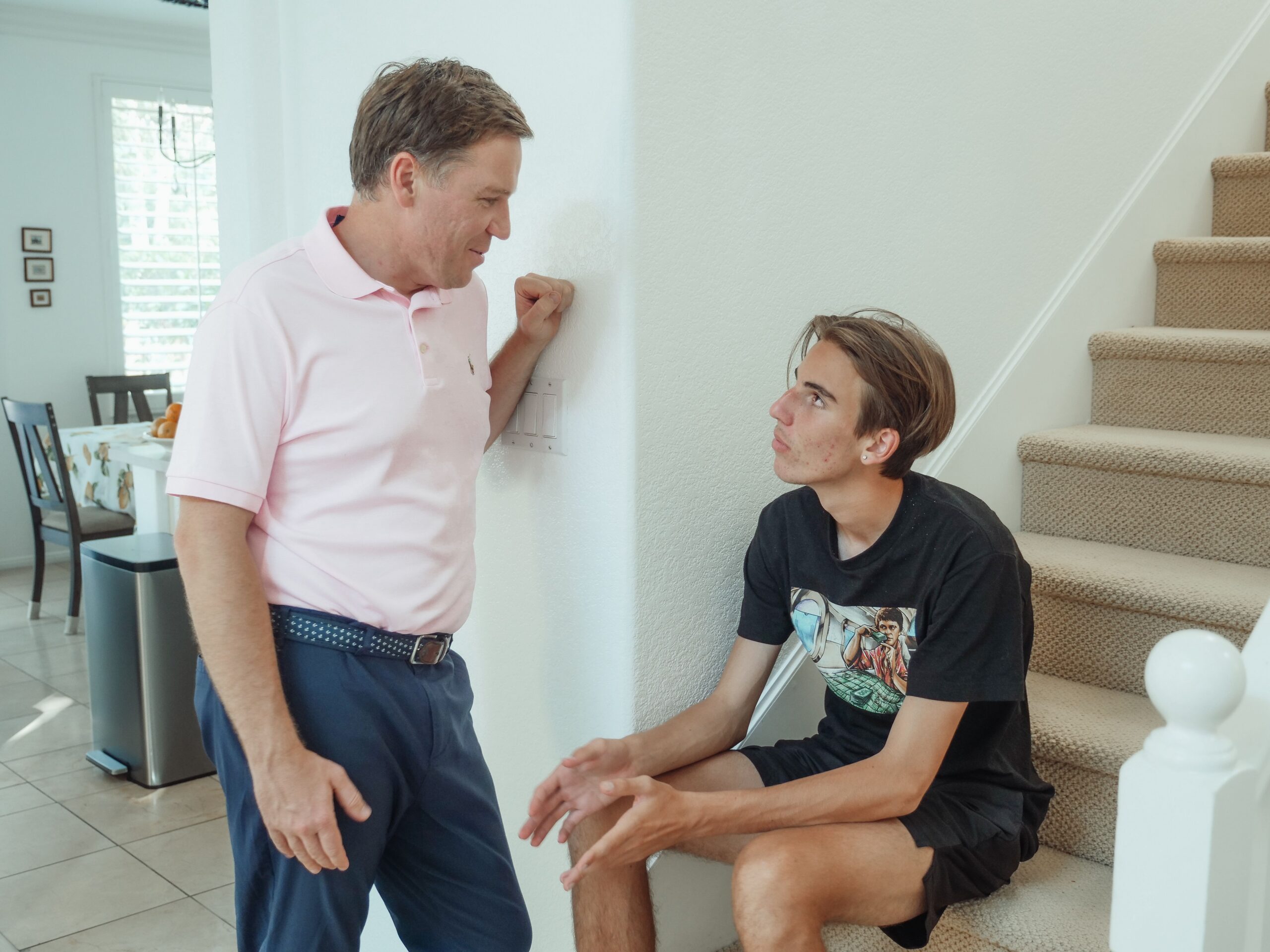
Behavioral burnout happens when a struggling young man becomes exhausted from constant emotional friction and negative patterns. Parents can manage this state by identifying early signs of withdrawal and reducing immediate stressors in the household. Seeking external structure can stabilize a child before behavioral patterns degrade further.
Young men often mask their exhaustion with anger or total isolation. They stop responding to normal household rules. This behavior creates severe tension for the entire family unit. Recognizing the difference between defiance and true exhaustion helps parents alter their approach before a major crisis occurs.
What Causes Behavioral Burnout in Teen Boys?
Defiance often stems from prolonged stress, sensory overstimulation, or unaddressed learning difficulties. When a young man lacks the skills to process emotional pressure, his coping mechanisms break down completely. This breakdown results in severe behavioral fatigue.
Many young men feel immense pressure from school, social circles, and family expectations. They lack the emotional vocabulary to ask for help when things go wrong. Instead, they shut down or act out in aggressive ways. This reaction creates a continuous cycle of negative reinforcement from adults.
Parents often misinterpret this fatigue as simple laziness or disrespect. The teen feels misunderstood and pulls away even more. Over time, the constant stress changes how the brain processes daily interactions. Families must understand these underlying pressures to stop the decline.
What Are the Visible Signs of Emotional Exhaustion?
Subtle Changes in Daily Routines
Exhausted teens display clear shifts in sleeping habits, eating patterns, and personal hygiene. They might sleep during daylight hours or lose interest in healthy meals. These changes show that the nervous system is overwhelmed.
A young man might stop cleaning his bedroom or completely neglect his appearance. He avoids family dinners and stays away from shared spaces. These actions indicate a lack of energy rather than a desire to break rules.
Academic Disengagement
Sudden drops in school grades show that a student can no longer focus on daily assignments. He might skip classes or refuse to complete basic homework. This disengagement highlights deep emotional fatigue.
Teachers often report that the student stares into space or sleeps during lectures. The teenager no longer cares about deadlines or the consequences of failing marks. Punishment fails to motivate him because his cognitive reserves are empty.
How Does Household Stress Impact Struggling Youth?
A tense home environment amplifies the emotional difficulties that struggling young men experience every day. Constant arguments and unpredictable reactions create a state of perpetual fear. This atmosphere prevents the nervous system from resetting properly.
- Frequent Shouting Matches: Loud arguments trigger immediate defensiveness and completely shut down communication lines.
- Unclear Boundaries: Changing house rules confuse teens and make them feel unsafe in their own homes.
- Lack of Structure: Unpredictable daily routines increase anxiety levels for every family member.
Why Do Traditional Punishments Often Fail?
Standard consequences like grounding or taking away digital devices do not fix the root causes of behavioral issues. These methods place additional pressure on a youth who already feels completely overwhelmed. The teen views strict punishments as personal attacks rather than learning opportunities.
When parents rely only on restrictions, the young man becomes resentful. He stops respecting parental authority entirely. The relationship turns into a battle of wills where nobody wins.
Alternative approaches focus on communication and calm boundaries. Instead of adding more restrictions, parents should seek to understand the immediate trigger. This shift preserves the family relationship while maintaining order.
How Can Parents Create a Stabilizing Environment?
Parents can establish stability by maintaining rigid daily schedules, serving nutritious meals, and keeping emotional tones neutral. A predictable routine reduces anxiety because the teenager knows exactly what to expect each hour. This predictability allows the brain to rest.
Creating a calm space requires adults to control their own emotional responses during conflicts. If a teen shouts, the parent must respond with a quiet, steady voice. This dynamic prevents minor disagreements from escalating into dangerous arguments.
Consistency matters more than severity when enforcing household guidelines. Young men thrive when they know the rules do not change based on a parent’s mood. Clear expectations build a foundation for behavioral improvement.
What Role Does Physical Activity Play in Recovery?
Regular outdoor exercise reduces stress hormones and helps young men regulate their moods naturally. Physical exertion releases stored frustration in a productive environment. This biological shift improves sleep quality and clarity of thought.
- Weight Training: Building physical strength increases self-esteem and teaches internal discipline.
- Team Sports: Group athletics teach cooperative skills and provide positive peer interactions.
- Outdoor Work: Manual labor outdoors connects young men with practical achievements.
When Should Families Seek Outside Behavioral Assistance for Teens?

Families should look for external support when local outbursts threaten safety or when home interventions yield no progress. Professional care offers an objective viewpoint that family members cannot provide. This step protects the young man from legal or academic ruin.
Waiting too long can cause behavioral patterns to become permanent habits. Professional intervention provides specialized tools for emotional regulation. It gives the family a roadmap for long-term recovery.
Many parents hesitate to seek help due to social stigma or fear of failure. Seeking assistance is a sign of strength and dedication to a child’s future. Early action prevents minor behavioral issues from turning into major legal challenges.
How Do Structured Residential Youth Programs Georgia Benefit Families?
Residential options remove young men from negative peer groups and unstable environments to focus entirely on personal growth. These facilities offer round-the-clock supervision, academic support, and behavioral guidance. The structured setting teaches accountability through daily community responsibilities.
Away from distractions, teens learn to face their challenges honestly. They interact with mentors who model positive adult behavior every day. This immersion accelerates the maturity process significantly.
The distance also allows parents to heal from the chronic stress of caregiving. Families learn new communication methods while the teen develops self-control. This dual progress prepares everyone for a successful reunion.
What Are the Steps to Choose a Reliable Intervention Option?
Families must check licensing documents, staff qualifications, and the specific behavioral philosophies of any facility. A good program provides transparent updates and involves parents in the recovery process. Researching these details avoids mismatched placements.
- Verify Credentials: Confirm that the state regulatory bodies license the facility properly.
- Interview Leadership: Speak with the directors to understand their daily approach to discipline.
- Review Curriculum: Check if the academic coursework transfers back to local high schools.
How Can Communities Support Juvenile Delinquency Prevention?
Local organizations, faith groups, and schools must cooperate to provide safe spaces for vulnerable young men. Mentorship programs give struggling youths positive role models outside the home. These community connections reduce the likelihood of criminal behavior.
When a neighborhood invests in youth activities, crime rates drop noticeably. Young men find purpose in civic projects and recreational leagues. They feel valued by the adults around them.
Prevention requires proactive outreach before a teen enters the judicial system. Early mentorship guides choices toward constructive paths. Strong communities build strong families.
FAQ
What Is the Main Sign That a Teen Needs Troubled Teen Intervention Vidalia Georgia?
The clearest indicator is when a young man exhibits dangerous behaviors or completely refuses to follow basic safety rules at home. When local school interventions and family discussions fail to change these patterns, professional residential care becomes necessary.
How Long Do Residential Youth Programs in Georgia Typically Last?
Program lengths vary based on individual behavioral needs, but most structured environments require several months to achieve lasting change. This extended time allows young men to replace old habits with positive routines and complete their high school education.
Can a Family Participate in the Behavioral Assistance for Teens During Placement?
Yes, reputable programs include regular family counseling sessions and structured updates to repair broken relationships. Parental involvement ensures that the home environment aligns with the progress the youth makes during his stay.
Seeking Solutions for Your Family
If your son needs structural guidance and a supportive environment to overcome behavioral challenges, professional resources can help your family today. Paul Anderson Youth Home provides a structured environment focused on character development, academic recovery, and spiritual growth for young men. Our dedicated team works closely with families to rebuild broken relationships and instill lifelong accountability. Contact us today to learn how our residential youth program can help transform your family’s future.
Stay Updated
Sign up for our monthly newsletter and weekly devotional